
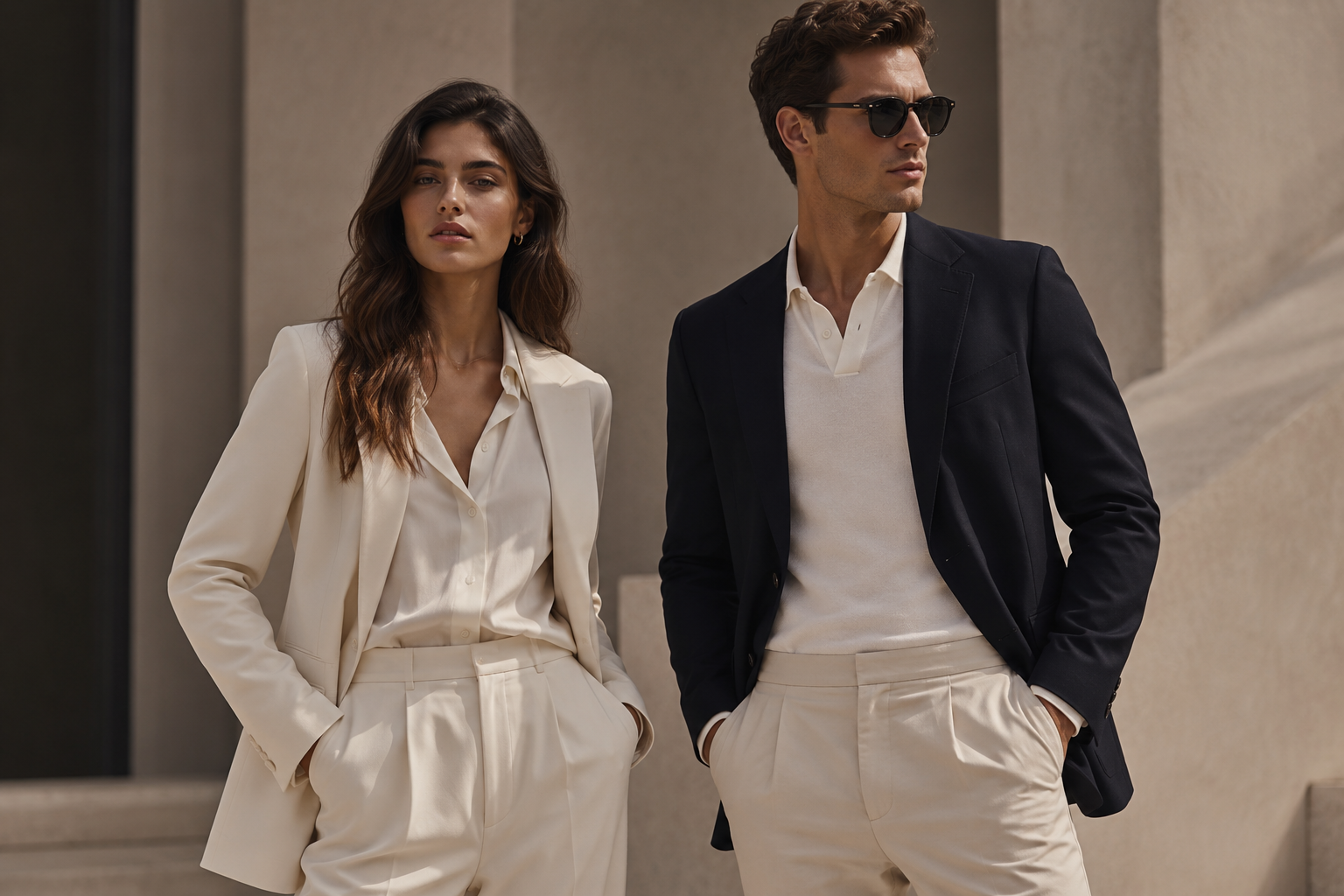
Fashion today is no longer limited to simply following seasonal trends—it has evolved into a smarter approach that focuses on adapting clothing choices to weather conditions, lifestyle needs, budget considerations, and individual identity. Modern users are not just searching for basic outfit ideas like “what to wear in summer”; instead, they are asking more practical and long-term questions such as how to build a single wardrobe that works for all seasons, which clothing pieces remain versatile throughout the year, and how to maintain a stylish appearance without constantly purchasing new outfits.
This guide addresses all of these real-world concerns in one place, helping you understand how to dress confidently in every season, build a functional capsule wardrobe, avoid common seasonal fashion mistakes, select fabrics based on comfort and climate, style outfits according to body type and age, and ultimately save money while maintaining a consistently stylish and practical wardrobe.
Understanding Seasonal Fashion
Seasonal fashion refers to the practice of adjusting your clothing choices based on changing environmental and lifestyle factors throughout the year, including temperature variations, weather conditions, fabric suitability, color psychology, and overall comfort requirements. Understanding seasonal dressing is important because many people overlook how weather impacts their outfit choices, which often leads to issues such as overheating during summer, excessive layering in winter, uncomfortable clothing, and unnecessary spending on clothes that are only worn a few times.
In contrast, seasonal fashion focuses on adapting your wardrobe to suit each time of year, while timeless fashion is built around long-lasting wardrobe staples that remain stylish regardless of trends. The most effective approach is to combine both systems, allowing you to maintain a balanced wardrobe that is practical, versatile, and stylish throughout all seasons.
Spring Fashion Tips
Spring is an unpredictable season characterised by fluctuating temperatures, where mornings are often cold and afternoons become warm, making adaptable clothing choices essential for all-day comfort. Lightweight layering and breathable fabrics play a key role in managing these changes while maintaining a stylish and practical look. The best fabrics for spring include cotton, lightweight knits, denim, and linen blends, as they offer the perfect balance of comfort and breathability for both cool and mildly warm weather.
Spring colour psychology focuses on freshness, renewal, and calm energy, with soft pink representing freshness, light green symbolising renewal, beige creating balance, and pastel shades delivering a soft, calming aesthetic that enhances overall appearance. A well-planned spring wardrobe should include versatile essentials such as light trench coats, denim jackets, cardigans, midi dresses, and white sneakers, which can be easily layered or styled according to changing weather. A simple and effective spring outfit formula is combining a light top with a layering piece, breathable bottoms, and comfortable sneakers, ensuring both flexibility and comfort throughout the day.
Summer Fashion Tips
Summer fashion is all about breathability, comfort, and minimal layering, making it essential to choose outfits that keep you cool in rising temperatures. The best summer fabrics include linen, which offers excellent airflow; cotton, which is ideal for everyday wear; muslin, known for its lightweight comfort; and chambray, which provides a structured yet breathable feel. Along with fabric choice, colour strategy also plays an important role in staying cool, as white reflects heat, light blue creates a cooling visual effect, and beige helps reduce heat absorption.
A practical summer wardrobe should include loose T-shirts, cotton shorts, sundresses, sleeveless tops, and sandals to ensure maximum comfort throughout the day. Accessories such as sunglasses, straw hats, and lightweight crossbody bags not only enhance style but also add functionality during hot weather. However, a common summer fashion mistake is wearing synthetic fabrics, which trap heat and cause sweating, making outfits uncomfortable and unsuitable for the season.
Autumn Fashion Tips
Autumn is considered the most “fashion creative” season because it offers the perfect balance between warmth, comfort, and layering experimentation. The best fabrics for autumn include wool blends, corduroy, denim, and knitted materials, all of which provide texture and insulation suitable for cooler weather. Autumn color psychology is deeply connected to earthy and warm tones, where rust represents warmth, olive reflects a connection to nature, mustard adds energy, and brown symbolizes stability, helping create rich and balanced seasonal outfits.
A well-planned autumn wardrobe should include trench coats, sweaters, boots, scarves, and layered shirts, all of which work together to create versatile looks for changing temperatures. The ideal autumn layering formula follows a simple structure of a base layer, mid layer, and outer layer, ensuring both comfort and style throughout the day. However, common mistakes such as over-layering bulky clothes or ignoring outfit proportions can disrupt the overall look and make styling less effective.
Winter Fashion Tips
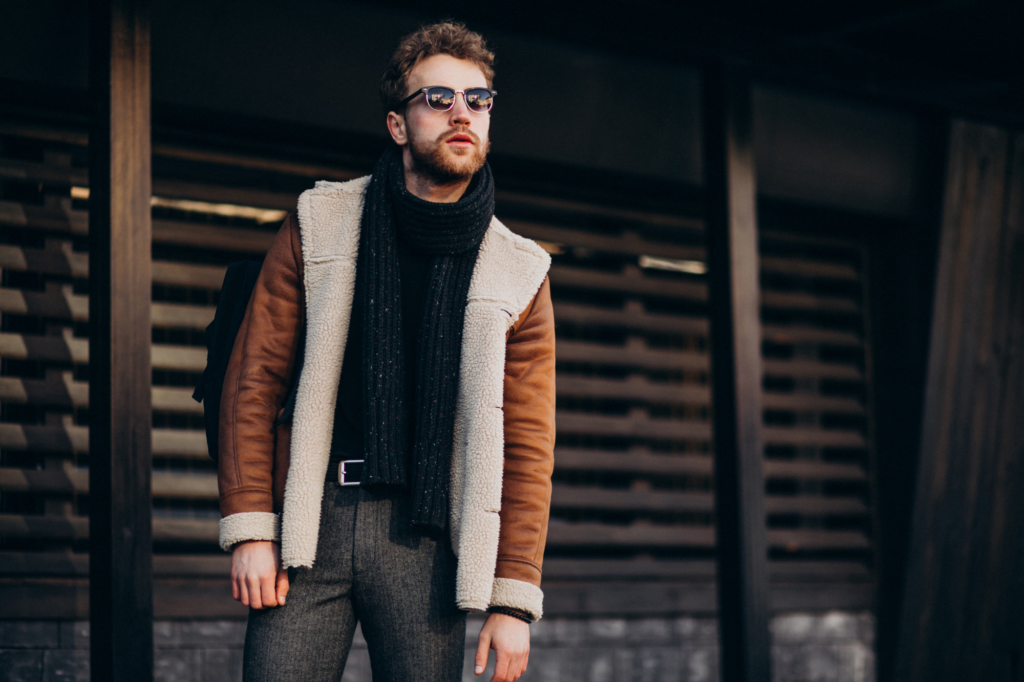
Winter fashion is primarily focused on thermal efficiency and structured layering that provides maximum warmth without sacrificing style. The best winter fabrics include wool, cashmere, fleece, and thermal blends, all of which help retain heat while maintaining comfort during extremely cold conditions. Winter colour psychology often revolves around deeper, richer tones, where black represents power, navy reflects elegance, burgundy adds a sense of luxury, and grey provides balance, creating a sophisticated seasonal palette.
Essential winter wardrobe pieces include long coats, thermal innerwear, knit sweaters, gloves, and waterproof boots, all designed to protect against cold weather while keeping outfits stylish and functional. The ideal winter styling formula follows a simple structure of a thermal base layer, a knit middle layer, and a protective coat, ensuring proper insulation throughout the day. However, a common winter fashion mistake is relying on a single heavy layer instead of smart layering, which often reduces comfort and limits mobility.
Seasonal Fashion Quick Comparison
| Season | Weather | Fabrics | Key Essentials | Styling Focus | Mistakes |
| Spring | Unpredictable, mild | Cotton, denim, linen | Jackets, cardigans, sneakers | Light layering | No layering, winter overload |
| Summer | Hot & humid | Linen, cotton | Shorts, tees, sandals | Breathability | Synthetic fabrics, tight fits |
| Autumn | Cool & windy | Wool, knits | Sweaters, boots, coats | Layering & texture | Bulky layering, bad proportions |
| Winter | Cold & harsh | Wool, fleece | Coats, thermals, boots | Thermal insulation | Single heavy layer |
| All Year | Mixed seasons | Cotton, denim | Jeans, shirts, blazers | Capsule wardrobe | Overbuying, trend chasing |
How to Build a Year Round Capsule Wardrobe
A capsule wardrobe forms the foundation of modern fashion because it focuses on building a small, versatile, and highly functional clothing collection that works across all seasons without unnecessary excess. It is designed around the idea of quality over quantity, ensuring that every piece can be mixed and matched easily. An ideal 30-piece capsule wardrobe typically includes key categories such as 8–10 tops like white shirts, t-shirts, and light knits; 5–7 bottoms such as jeans, trousers, and shorts; 4–5 outerwear pieces including a denim jacket, blazer, and coat; 4–5 pairs of shoes such as sneakers, boots, and sandals; and essential accessories like bags, belts, and scarves.
This structure works effectively because it reduces unnecessary spending, increases outfit combinations, minimises wardrobe clutter, and ensures year-round usability, making it one of the most efficient and sustainable approaches to personal styling.
Clothing That Works in ALL Seasons
- White shirts
- Denim jackets
- Neutral blazers
- Jeans
- Sneakers
- Lightweight sweaters
- Trench coats
- Cardigans
- Basic t-shirts
These are trans-seasonal fashion pieces because you can style them across all seasons and easily adapt them with layering and accessories.
Fashion Based on Body Type
Understanding body type is an important part of seasonal fashion because it helps create balanced, flattering outfits that enhance natural proportions. petite body types, the key is to avoid heavy layering, as it can overwhelm the frame, and instead focus on vertical lines and monochrome outfits that create the illusion of height and elongation. For tall body types, oversized layering works effectively when balanced properly, allowing for bold styling while maintaining proportion and structure.
For curvy body types, the most flattering approach is to emphasize structured waist definition and A-line silhouettes, which help highlight curves while maintaining a smooth and balanced overall look.
Seasonal Fashion by Age Group
Fashion choices often vary across different age groups, as each stage of life has its own style preferences, lifestyle needs, and comfort priorities. Teenagers usually prefer trend-driven outfits and bright colors that reflect energy, experimentation, and current fashion influences. Adults aged 20–40 tend to focus more on smart casual layering and a balanced wardrobe that works for both professional and personal settings, combining style with practicality. For individuals aged 40 and above, the emphasis shifts towards timeless pieces, neutral tones, and a quality-over-quantity approach, ensuring a refined, elegant, and long-lasting wardrobe that priorities comfort, sophistication, and versatility.
Fashion by Climate
Weather-based fashion depends on adapting clothing to climate conditions, ensuring both comfort and style throughout the year. In hot and humid climates, lightweight fabrics such as linen are ideal because they allow airflow, while loose-fitting clothing and breathable materials help reduce heat and prevent discomfort.
In cold climates, layering becomes essential, with wool layers and thermal base clothing providing insulation and retaining body heat to keep you warm in low temperatures. For unpredictable weather, versatility is key, and light jackets combined with layer-ready outfits allow you to adjust easily to sudden temperature changes, ensuring you stay comfortable and prepared regardless of shifting conditions.
Seasonal Colour Psychology
Colours affect perception and mood.
- Spring = renewal (pastels)
- Summer = energy (light tones)
- Autumn = comfort (earth tones)
- Winter = luxury (dark tones)
Sustainable Seasonal Fashion
Seasonal fashion becomes much more effective when you follow a few key principles that focus on simplicity, sustainability, and versatility. The main idea is to buy less but wear more, reuse outfits creatively, and always choose quality fabrics that last across different seasons. A smart example of outfit reuse includes turning a summer dress into an autumn look by adding layers, or using a winter knit as a base piece for a fresh spring outfit.
However, many people still make common seasonal fashion mistakes such as buying too many season-specific clothes, ignoring fabric quality, blindly following every trend, poor layering balance, and over-accessorising their outfits. To avoid these issues, travel-friendly seasonal fashion focuses on neutral clothing sets, layerable outfits, multi-use shoes, and lightweight jackets that can easily adapt to changing weather conditions while keeping your style practical and consistent.
Conclusion
True style is not about constantly buying new clothes every season, but about creating a smart, flexible, and sustainable wardrobe system that works all year round. When you understand and master the fundamentals of fashion such as choosing the right fabrics, using effective layering techniques, applying colour psychology, and planning a well-structured capsule wardrobe you gain the ability to dress confidently in any season without stress or confusion.
This approach not only helps you stay consistently stylish but also reduces unnecessary spending and makes your wardrobe more practical, versatile, and long-lasting.
FAQs
Can one wardrobe really work for all seasons?
Yes, if built with versatile basics and layered clothing.
How many clothes do I need for all seasons?
Around 25–40 core items are enough for most people.
What clothing works in every season?
Jeans, white shirts, blazers, sneakers, and light jackets.
How do I transition outfits between seasons?
Use layering instead of buying new clothes.
What is the biggest seasonal fashion mistake?
Overbuying trend-based clothing instead of timeless pieces.
How can I stay stylish on a budget?
Invest in basics and avoid fast fashion cycles.